This ibiza travel guide answers the question most first-time visitors quietly ask: is there more to this island than the clubs? There is. Ibiza holds a UNESCO World Heritage site, over 80 beaches, pine-forested hillsides, bohemian villages, and a food scene that rivals any Mediterranean destination.
Knowing what the island truly offers makes the difference between a good trip and an exceptional one.
What Makes Ibiza Worth Visiting
Ibiza has long worn its party reputation like a badge, but the island runs far deeper than that. It draws artists, families, couples, and experienced travellers who return not for the clubs, but for the quality of what the island delivers.
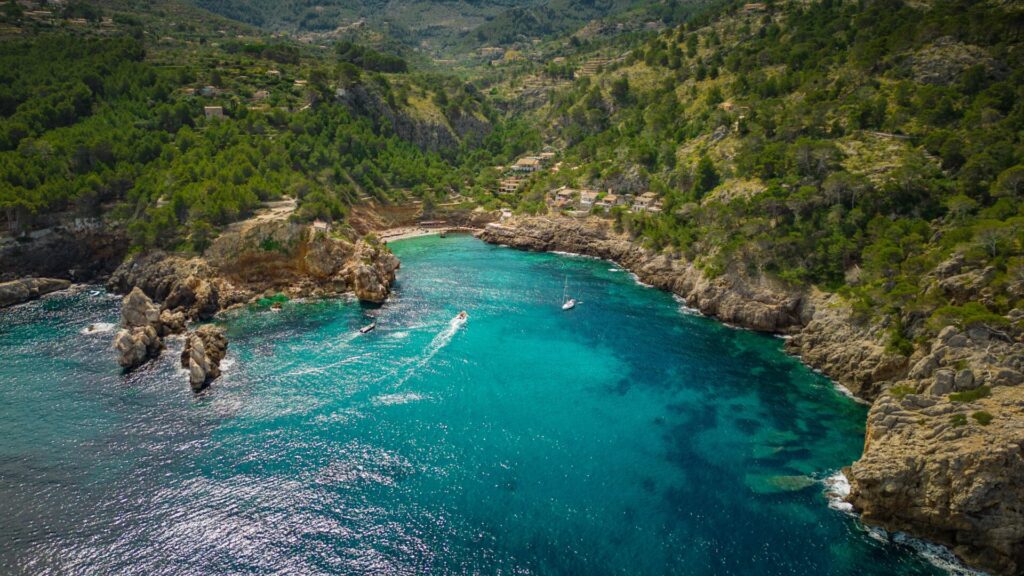
The coastline covers every possible mood. Wide sandy stretches sit alongside secluded coves accessible only by boat. Add the fortified old town, slow-paced rural villages, and remarkable Mediterranean light, and you begin to understand why people keep coming back.
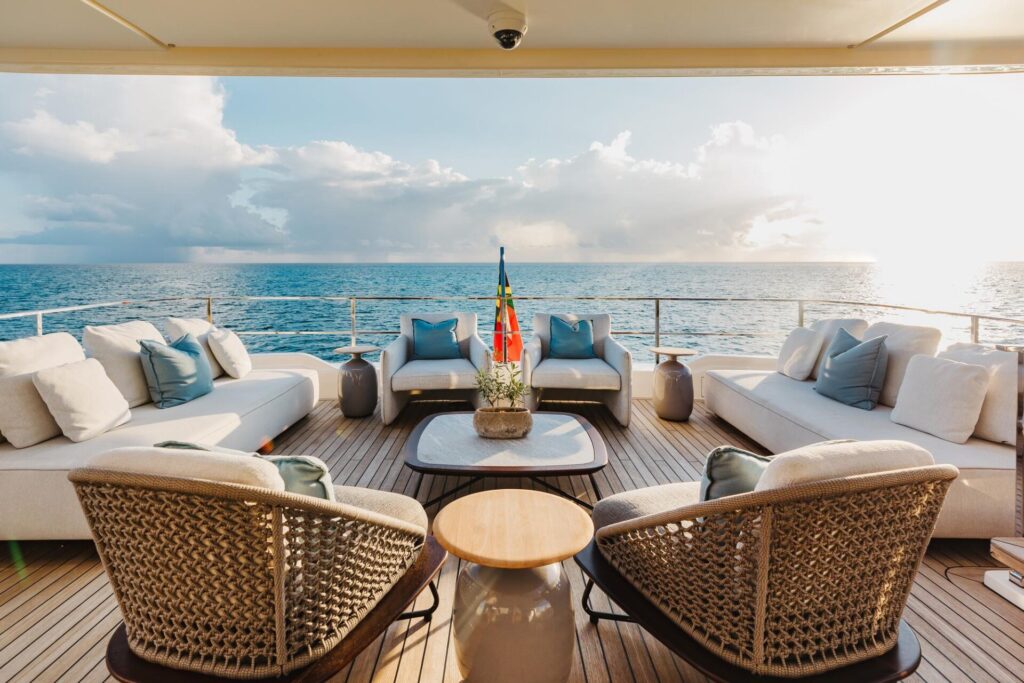
For those seeking privacy and comfort, a luxury villa gives you the space to experience the island on your own terms.
When to Plan Your Ibiza Trip
Timing shapes the experience more than most people expect. The season runs from May to October, with peak summer between July and August.
- Shoulder season (May, early June, September): Fewer crowds, lower prices, temperatures between 20 and 26°C. Opening parties and club events still run.
- Peak summer (July to August): Full beach club atmosphere, headline DJ residencies, and warm sea temperatures. Villa demand is highest. Book well in advance.
- September is the island’s quiet gem. The sea is at its warmest, and the atmosphere is more relaxed than midsummer.
Beaches Worth Knowing Before You Go
Iconic Shores
Ibiza has beaches for every type of visitor.
Cala Comte, on the southwest coast near Sant Josep, is considered one of the most beautiful in the Balearics. The layered turquoise water and rocky islets attract both locals and long-stay guests. Arrive early to secure a spot.
Playa d’en Bossa is the longest beach on the island. It suits those who want energy, amenities, and easy access to the water. It also doubles as a day-to-night destination.
Talamanca, minutes from Ibiza Town, is calmer and well-suited for families or anyone who wants a relaxed beach day.
Quieter Coves
Beyond the main beaches, the island holds less-visited spots worth seeking out.
Cala d’Hort faces the striking rock formation of Es Vedrà. The small chiringuitos nearby serve fresh fish with views that are hard to match. Cala Salada, near Sant Antoni, has crystal-clear, calm water. Cala Llentrisca in the south requires a short walk but delivers near-total seclusion.
Cultural and Historical Attractions
Dalt Vila
The fortified old town of Dalt Vila is a UNESCO World Heritage Site and one of Ibiza’s most rewarding experiences. Its origins trace back nearly 3,000 years to Phoenician settlement, with later layers left by Romans, Moors, and Catalans.
Walking through the arched Portal de ses Taules and up the cobbled streets to the hilltop cathedral gives a strong sense of the island’s depth. The views from the old walls over the port are worth the climb alone.
Markets and Villages
Las Dalias Market in Sant Carles de Peralta has run every Saturday since 1985. Stalls sell handmade jewellery, clothing, art, and local produce in a relaxed garden setting. It remains one of the most authentic market experiences on the island.
Santa Gertrudis de Fruitera, a small inland village, offers a quieter side of Ibiza. The central square is lined with cafes and independent galleries, far removed from the coastal bustle.
Water Activities and Outdoor Experiences
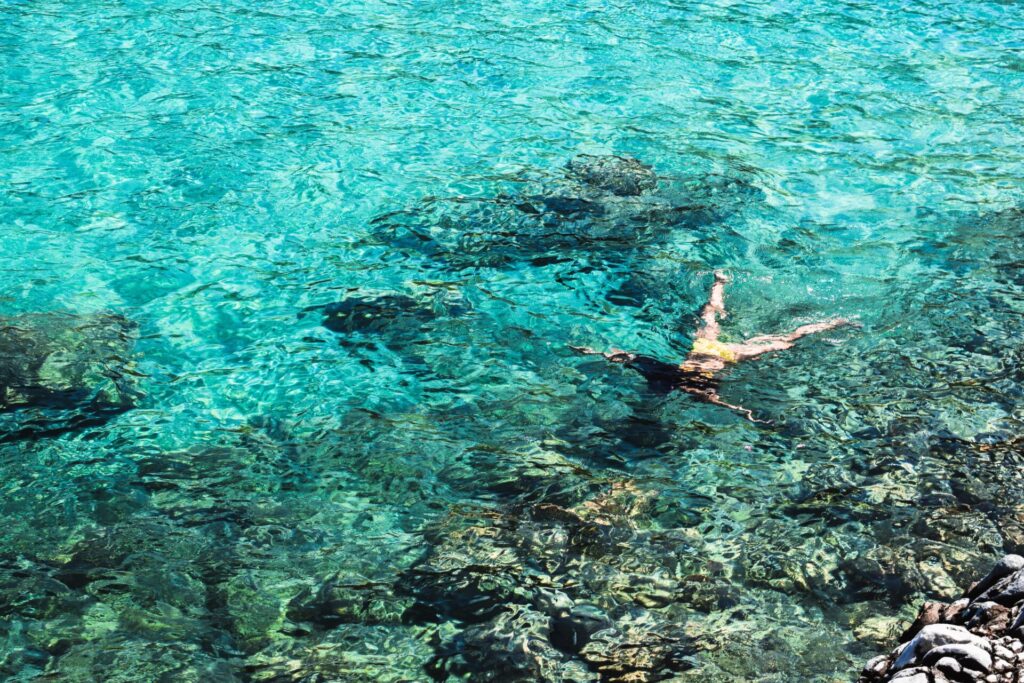
The sea around Ibiza is exceptionally clear, making water-based activities genuinely worthwhile.
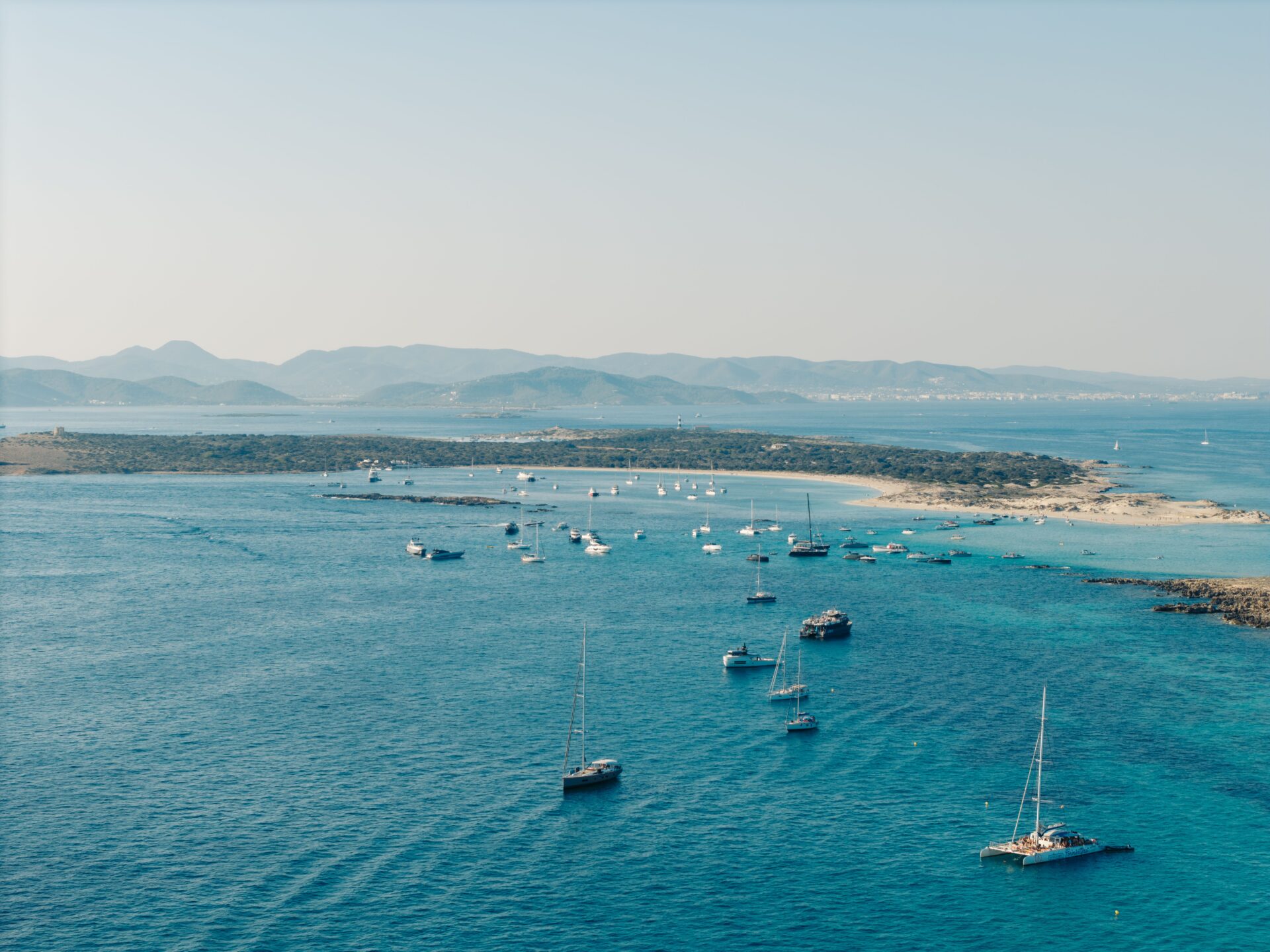
Boat trips to Formentera are among the most popular excursions. The crossing takes around 30 minutes by fast ferry, and the beaches there are remarkable. The rocky coastline near Es Vedrà is excellent for snorkelling. Guided kayak routes run through sea caves and along cliff faces.
For land-based options, the trail from Cala d’Hort up to the Es Vedrà viewpoint is short but delivers dramatic views across the bay. Paddle surfing is widely available at most major beaches.
Nightlife and the Sunset Scene
Clubs
Ibiza’s club culture is globally recognised for good reason. Here are the main venues:
- Pacha (Ibiza Town): One of the oldest and most iconic clubs on the island.
- Amnesia (between Ibiza Town and Sant Antoni): Known for its open-air terrace and long-running themed nights.
- Ushuaia and Hi Ibiza (Playa d’en Bossa): Festival-style venues with outdoor stages and large-scale production.
Clubs typically open around midnight. Buying tickets in advance is strongly recommended, especially for headline nights.
Sunset Bars
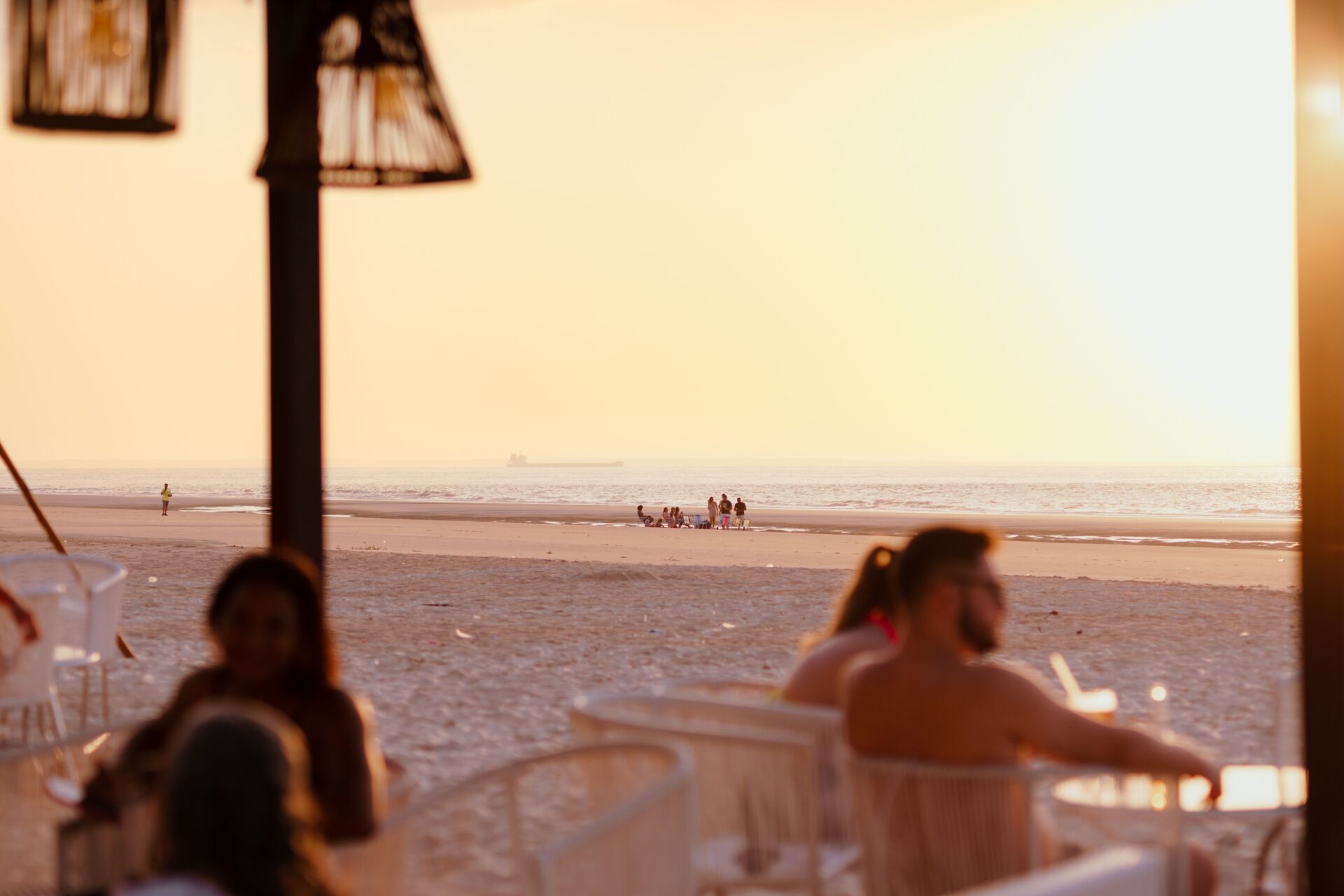
Not every evening needs to be a late one. Ibiza’s sunset ritual has its own devoted following.
Cafe del Mar in Sant Antoni has drawn crowds since the 1980s. Sunset Ashram near Cala Conta has a relaxed atmosphere and one of the best western views on the island. Kumharas is the more laid-back option, with an open-air setup and a crowd that reflects the island’s original free-spirited character.
Food and Dining
Ibiza’s food culture is consistently underrated. Beyond tourist-facing restaurants, the island has a strong tradition of Mediterranean cooking built around fresh local ingredients.
Santa Eulalia is the island’s gastronomic centre. Waterfront restaurants, quality wine lists, and a relaxed pace make it the natural place for long, unhurried meals.
Traditional dishes worth trying:
- Bullit de peix: A hearty fish and potato stew, served in two courses.
- Sofrit pages: A rich meat dish with chicken, lamb, and spiced sausage.
- Ensaimada: The spiral pastry found across the Balearics. Simple and satisfying.
Beach chiringuitos offer something different. Grilled fish, cold drinks, sand underfoot, and sea views in every direction. Many are simple setups, but the setting does most of the work.
Getting Around
For villa guests, a rental car is the most practical option. The island’s best beaches and villages are spread out, and a car gives you full flexibility. Roads are generally well maintained, though some rural routes are narrow.
Other options worth knowing:
- Public buses connect Sant Antoni, Ibiza Town, and Playa d’en Bossa reliably.
- Taxis are widely available for shorter trips and evening outings.
- Ferries to Formentera depart regularly from Ibiza Town harbour. Crossing time is 30 to 60 minutes.
Choosing Where to Stay
The area you choose shapes your whole experience. Each part of the island has a distinct character:
- Ibiza Town: Close to Dalt Vila, the harbour, and the best shopping.
- Sant Josep: Ideal for beach access and privacy. Home to many of the island’s finest villas.
- Sant Joan: Rural and quiet, close to secluded northern coves.
- Santa Eulalia: Relaxed and residential, well-suited for families.
- Sant Carles and Santa Gertrudis: Authentic village settings away from the tourist belt.
A private luxury villa works well as a base in any of these areas. At Ibiza Selected, every property in the portfolio has been personally reviewed. The range covers intimate countryside fincas through to large seafront villas with full daily service included.
A dedicated concierge team handles transfers, restaurant bookings, boat hire, and any other arrangements before and during your stay.
Practical Tips
A few essentials before you arrive:
- Currency: Euro
- Languages: Spanish and Catalan. English is widely spoken. German and French are also common at many establishments.
- Entry: EU passport holders enter freely. Non-EU visitors should check current requirements before travelling.
Ibiza is not a budget destination, but costs vary. Club entry runs from 30 to 80 Euros or more for major nights. Beach clubs charge for sun loungers. Restaurant prices rise with the season.
Booking restaurants and villas well ahead, especially for July and August, prevents disappointment. A good concierge service takes care of most logistics before you land.
Conclusion
Ibiza rewards those who look past the obvious. The island offers real variety: ancient history, unspoiled nature, exceptional food, and a social scene that stretches from a quiet sunset drink to a world-class club night. However you prefer to travel, there is a version of Ibiza that fits.
To plan your stay, explore the villa collection at Ibiza Selected and speak with the team about what works for your group. This ibiza travel guide is your starting point. The White Isle takes care of the rest.
Frequently Asked Questions (FAQs)
1. How many days do you need in Ibiza?
Five to seven days covers the main beaches, the old town, nightlife, and a Formentera day trip. A long weekend works for a more focused visit.
2. Is Ibiza suitable for families?
Yes. Talamanca, Cala Llonga, and Portinatx offer calm, family-friendly beaches. Many parts of the island are quiet and well away from the nightlife zones.
3. When should you book a villa in Ibiza?
Book as early as possible for July and August, ideally several months ahead. Shoulder season dates in May, June, or September allow more flexibility.
4. Is renting a car necessary in Ibiza?
Not essential, but strongly recommended for villa guests. Buses cover the main towns, but a car makes exploring beaches and the countryside much more convenient.
5. What is the best area for a luxury villa stay?
Sant Josep is popular for its beaches and high-end properties. Ibiza Town suits those who want culture and dining nearby. Sant Joan is ideal for a quieter, more rural base.