Despite its renowned nightclubs and beach festivities, Ibiza offers visitors many other attractions beyond the entertainment of the dance scene. If you’re visiting this Mediterranean paradise, you’ll experience bright sunny days that transition into starlit evenings, all while enjoying tranquil surroundings and dynamic energy.
Seasonal Ibiza weather patterns create its magical atmosphere, changing the island’s unique vibe. Your visit to Ibiza during the optimal season will affect whether you experience clear waters for sunbathing or enjoy the lively nightlife and peaceful relaxation areas. Understanding Ibiza’s weather trends and optimal travel periods can help you design vacations that match your preferred experiences ranging from sun-focused activities to peaceful retreats.
Sun & Fun: Enjoying the Perfect Beach Holiday!
Peak Summer (June – August)
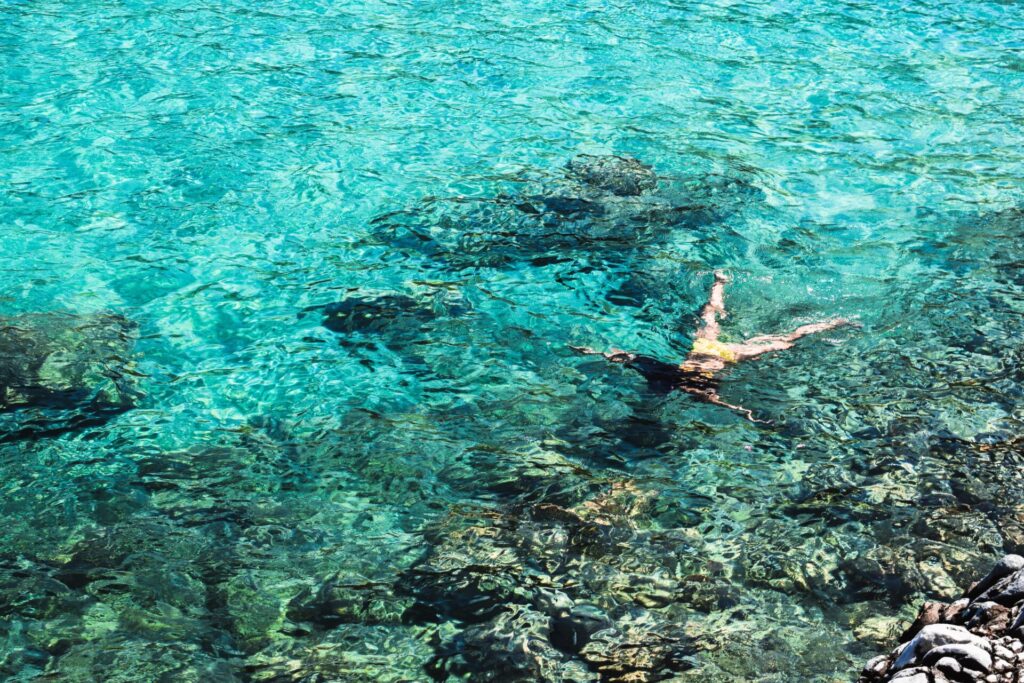
During June through August, Ibiza is the number one destination because many tourists enjoy the sunny weather and warm ocean temperatures. During these months, tourists enjoy the beach because the temperatures are quite warm, ranging between 77°F – 86°F. The warm air and the clear waters of the Mediterranean make the beaches of Ibiza the ideal place to sunbathe and swim.
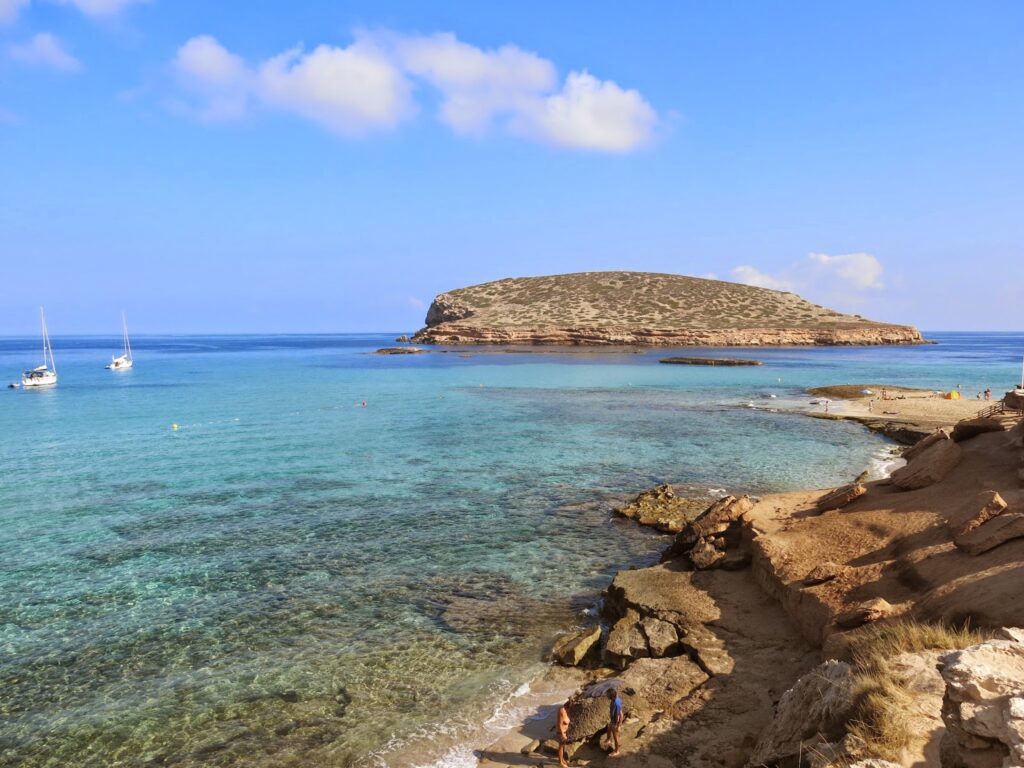
Over long sunny days, you can lounge on soft sand with cocktails or participate in thrilling water activities. Many people also choose to visit both Platja d’en Bossa and Cala Comte because these iconic beaches offer perfect summer weather conditions. The party atmosphere at Platja d’en Bossa combines energetic dancing by the shore with relaxation under the sun as visitors enjoy continuous upbeat music.
At Cala Comte, you’ll find a serene escape where magnificent turquoise waters join with breathtaking sunsets to create a perfect blend of natural beauty and tranquility. Ibiza offers many beach choices that satisfy every visitor during summer because they feature both party venues and private getaway spots.
In peak summer months, the beaches and main attractions on the island become crowded during daytime hours and early evening. Touring popular beaches either early morning or late evening enables maximum time efficiency, while bypassing the busiest crowds.
Additionally, visiting the beach during evening hours offers a calm and secluded environment. You can explore hidden spots like Cala d’Hort and its stunning Es Vedrà view or Cala Jondal beach clubs that help you escape from the crowds. By planning your beach visits strategically, you can enjoy Ibiza weather while avoiding the biggest tourist crowds.
Spring (April – May) & Autumn (September – October)
Ibiza attracts quiet getaways in spring and autumn months with its sunny days and cool nights after busy summer months. From April through May and September to October, Ibiza maintains comfortable temperatures between 64°F to 77°F. This enables you to enjoy outdoor activities without experiencing summer’s extreme heat.
When visiting the beach, you can experience Mediterranean warmth during the day, while taking in cooler evening temperatures. During the shoulder season, Ibiza’s beaches attract fewer visitors because the summer nightlife scene starts to decrease its activity, while peak nightlife events have not yet developed.
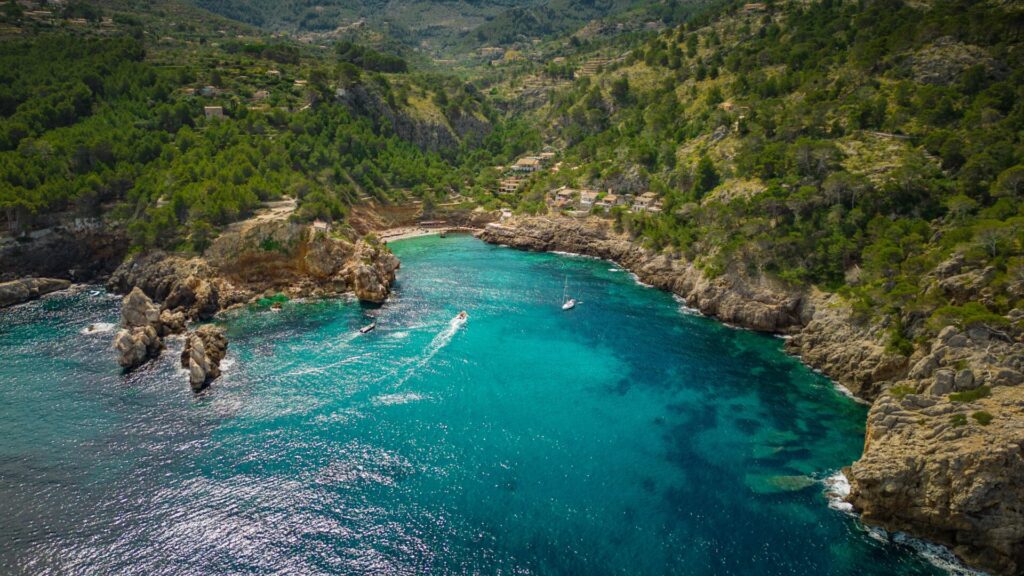
Ibiza also offers its tranquil side to visitors who will find ample beach space for private enjoyment. If you want to explore beyond typical tourist hotspots, you will find Ibiza’s hidden gems such as the secluded beaches of Cala Llentia and Cala Vadella. You can enjoy peaceful swimming in peaceful waters at these lesser-known beaches, staying clear of summer crowds.
Ibiza’s countryside also offers you a chance to explore during spring and autumn while you enjoy the quiet beaches. The island trails offer an enhanced experience for hiking and biking due to the wildflower-covered hillsides in spring.
You can experience Ibiza’s authentic relaxed lifestyle during its less crowded seasons. Spring and autumn offer a sun-drenched time of relaxation at private beaches and hidden coves without the peak summer crowd.
Ibiza Weather: Temperature Ranges and Ultraviolet Radiation Levels
The extreme heat from the sun controls Ibiza’s climate in peak summer with temperatures reaching 86°F to 95°F during July and August. The island attracts sun enthusiasts due to its continuous sunshine, while requiring careful sun protection. Temperatures reach their peak as the midday sun climbs to its highest point.
The spring and fall seasons provide a softer warmth, which people find more comfortable. During spring and fall months when temperatures range from 64°F to 77°F, days become perfect for outdoor activities. Early morning and late evening temperatures remain moderate, allowing you to relax on the beach without experiencing the intense summer heat.
You should keep track of the UV index when you expose yourself to Ibiza’s sunlight because it hits high levels throughout the summer months. In Ibiza, the UV index regularly reaches dangerous levels, causing sunburn in minutes without proper protection. It is crucial to take protective actions to preserve your skin from possible damage.
It is also vital to use sunscreen with high SPF to protect against both UVA and UVB rays through broad-spectrum coverage. Include a sunhat in your packing list to protect your face and neck, which are the most susceptible areas to sunburn.
Lightweight cotton or linen garments also offer sun protection through their breathable nature, while keeping your body temperature regulated. UV-protective sunglasses are necessary to shield your eyes from intense sun glare when near bodies of water.
Using proper sun protection enables you to enjoy island weather without suffering from sunburn or heat-related discomfort. Apply basic safety measures to protect yourself while you enjoy sunbathing on the beach or discover Ibiza’s hidden coves and other outdoor attractions.
Dealing with Ibiza Weather: How to Stay Comfortable While Having Fun
Ibiza experiences its hottest temperatures during July and August when continuous sun exposure makes staying cool essential. When exposed to sunlight, you need to maintain proper hydration levels to stay healthy. During peak summer heat reaching 90°F, you should drink water to maintain hydration and prevent heat exhaustion.
Consuming water from a bottle frequently helps restore hydration because of strong sunlight exposure. The best way for you to guard against severe heat is to stay out of direct sunlight from noon until four in the afternoon when UV radiation peaks. To keep the sun at a minimum, find shelter under beach umbrellas, natural tree shade, or enter an air-conditioned cafe.
Ibiza beach clubs and resorts provide visitors with multiple shaded areas to relax by the sea, protecting them from intense sunlight. At beachside locations, you can find protection from sunlight through comfortable seating options beneath large umbrellas or cabanas while taking in coastal views. Swimming pools also present ideal cooling opportunities where you can take refreshing dips to beat daytime heat.
Additionally, poolside loungers enable you to keep cool and relaxed while remaining near a shaded area. Strategic planning, combined with shaded breaks or water lets you experience Ibiza’s vibrant beaches and tranquil countryside without experiencing discomfort.
Ibiza Weather: FAQs
1. What time of the year has the best weather in Ibiza?
The pleasant warm temperatures during the spring and fall months aren’t as stifling and draw fewer tourists than the summer season. The spring and fall seasons provide the ideal combination of sunny days with pleasant evening temperatures.
2. Is Ibiza hot in the summer?
The months between June and August in Ibiza show high heat levels as the island reaches very hot temperatures. The temperature often hits 90°F, while sometimes surpassing that threshold during heatwaves. Extended sunny days provide excellent beach conditions, but you should maintain hydration and protect yourself from the sun.
3. What are the winter temperature patterns in Ibiza compared to standard winter conditions across Europe?
Ibiza’s winter weather remains milder compared to the harsh winter climates found across most European countries. During December and February, daylight temperatures stay above 50°F with an average range from 54°F to 59°F. You can enjoy pleasant outdoor activities thanks to the current cool temperatures, letting you experience the island’s serene atmosphere.
4. Should I consider an off-season trip to Ibiza between October and April?
The island’s tranquil atmosphere during this period creates a relaxing environment. Travelers find saving money easier during this season since accommodation rates and flight prices both decline along with expenses for activities.
5. Which sun protection strategies should I take to prevent sun damage?
During the summer season, you need strong sun protection because of the highest solar intensity levels. When swimming or exercising, you need to reapply sunscreen that features high SPF protection. Shield yourself from sunlight exposure by wearing special clothing while using sunglasses or wearing wide-brimmed hats.
6. Can I swim in Ibiza during the winter?
Even though winter temperatures give the sea a cooler feeling, the Mediterranean waters still stay mildly warm at temperatures between 59°F and 64°F. Guests can swim year-round at certain hotels thanks to their heated pools.
7. How does springtime weather in Ibiza feel?
The prime time for visiting Ibiza during spring falls between March and May. Daytime temperatures during the spring season consistently stay within the mild range of 59°F to 68°F. After winter rains, the island becomes a lush paradise that provides perfect conditions for outdoor activities like hiking and cycling.