If you’re planning a trip to Ibiza and wondering whether there’s more to the island than beaches and nightlife, Dalt Vila Ibiza offers exactly that. This ancient fortress town sits on a hill overlooking Ibiza Town, packed with centuries of history, stunning views, and genuine Mediterranean character that feels worlds away from the coastal party zones.
Overview of Dalt Vila
Dalt Vila, which translates to “Upper Town” in Catalan, is the fortified old quarter of Ibiza Town. Walk through its massive stone gates and you’ll find yourself stepping back through layers of history, from narrow cobbled lanes to sweeping bastions that have watched over the Mediterranean for half a millennium.
UNESCO recognition and cultural importance
In 1999, UNESCO designated Dalt Vila as a World Heritage Site, recognizing it as an outstanding example of a fortified Mediterranean town. The recognition wasn’t just about pretty architecture.
It acknowledged how the settlement represents multiple civilizations, defensive strategies, and cultural exchanges that shaped the western Mediterranean. The fortifications you see today, built in the 16th century, remain remarkably intact and represent one of the best-preserved Renaissance military structures in Europe.
What defines the character of Dalt Vila Ibiza
What makes Dalt Vila Ibiza special isn’t just age or preservation. It’s the living quality of the place. People actually live within these ancient walls.
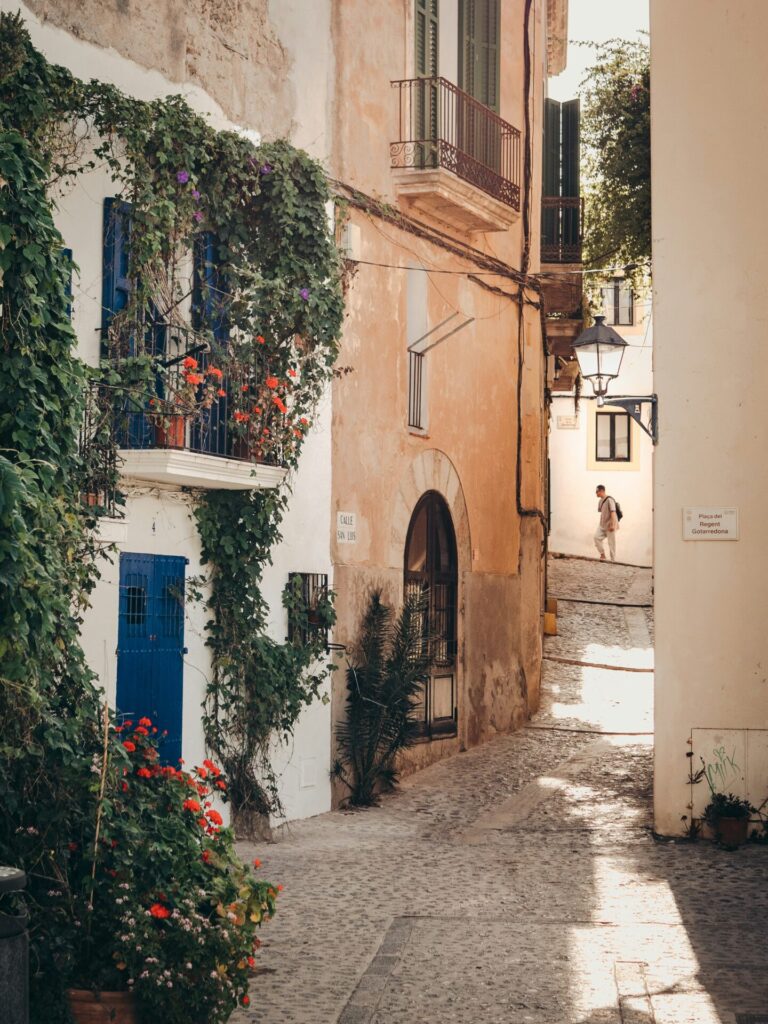
You’ll find homes with laundry hanging from medieval windows, cats sunbathing on Renaissance ramparts, and locals buying groceries in buildings that predate most modern nations.
The mix of residential life, tourist activity, cultural venues, and historical significance creates an atmosphere that feels authentic rather than museum-like.
Historical Foundations
Phoenician Roman and Moorish influences
The hill where Dalt Vila stands attracted settlers as far back as the 7th century BC. Phoenicians established a trading post here, recognizing the strategic value of the elevated position and protected harbor.
Romans later built on these foundations, expanding the settlement and leaving traces you can still see in the archaeological museum. The Moors controlled Ibiza from 902 to 1235 AD, contributing architectural elements and urban planning concepts that influenced how the medieval town developed. Each civilization added layers, quite literally building on what came before.
Renaissance fortifications and strategic significance
The walls you see today were constructed between 1554 and 1585 under orders from Philip II of Spain. Mediterranean piracy had become a serious threat, and Ibiza’s position made it valuable enough to defend properly.
Italian military engineers designed the fortifications using the latest Renaissance techniques, creating the angular bastions that could resist cannon fire and provide overlapping fields of fire. The result was a fortress that never fell to siege, protecting not just a military garrison but an entire civilian population.
Architectural Highlights
Stone walls bastions and gateways
Seven imposing bastions punctuate the fortress walls, each one a geometric masterpiece of military engineering.
The main entrance, Portal de ses Taules, leads through a dramatic vaulted tunnel beneath a statue of a Roman warrior. The thickness of the walls, some sections reaching 25 meters wide at the base, allowed for internal chambers, passageways, and defensive positions.
Walking along the ramparts today, you can appreciate how form followed function, every angle calculated for maximum defensive advantage while creating unexpected beauty.
Churches plazas and preserved historic homes
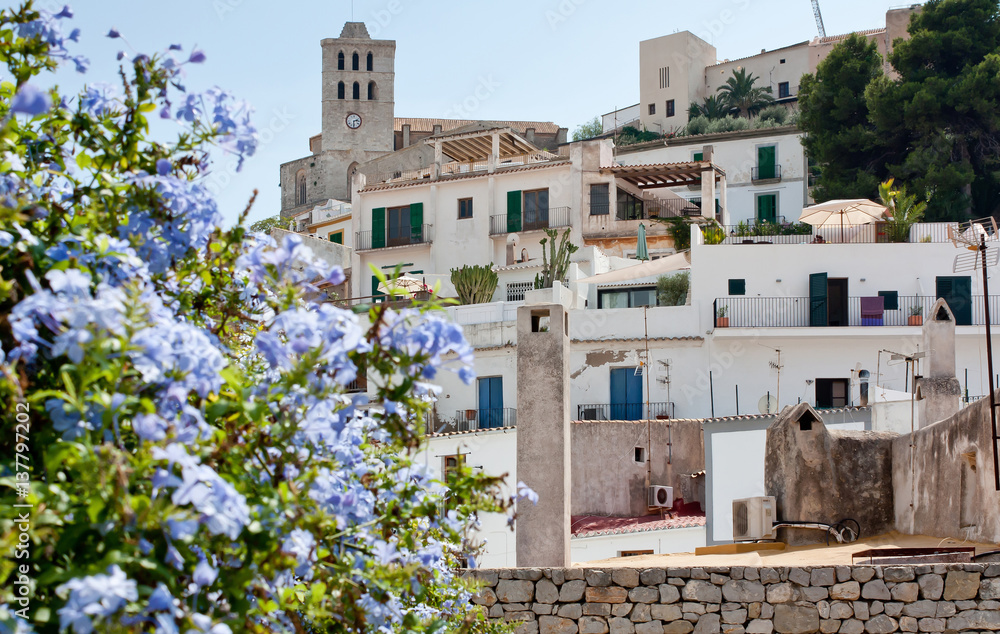
Inside the walls, the Cathedral of Our Lady of the Snows dominates the highest point, its Gothic structure incorporating elements from the original 13th-century church. The cathedral square offers perhaps the finest views in all of Ibiza, looking out over the harbor, modern town, and distant coastline.
Scattered throughout are smaller churches like Santo Domingo and smaller chapels, each with distinct character. The residential buildings range from humble townhouses to grander mansions, many retaining original wooden beams, terracotta floors, and whitewashed walls that keep interiors cool during summer heat.
Exploring the Upper Town
Key viewpoints and scenic routes
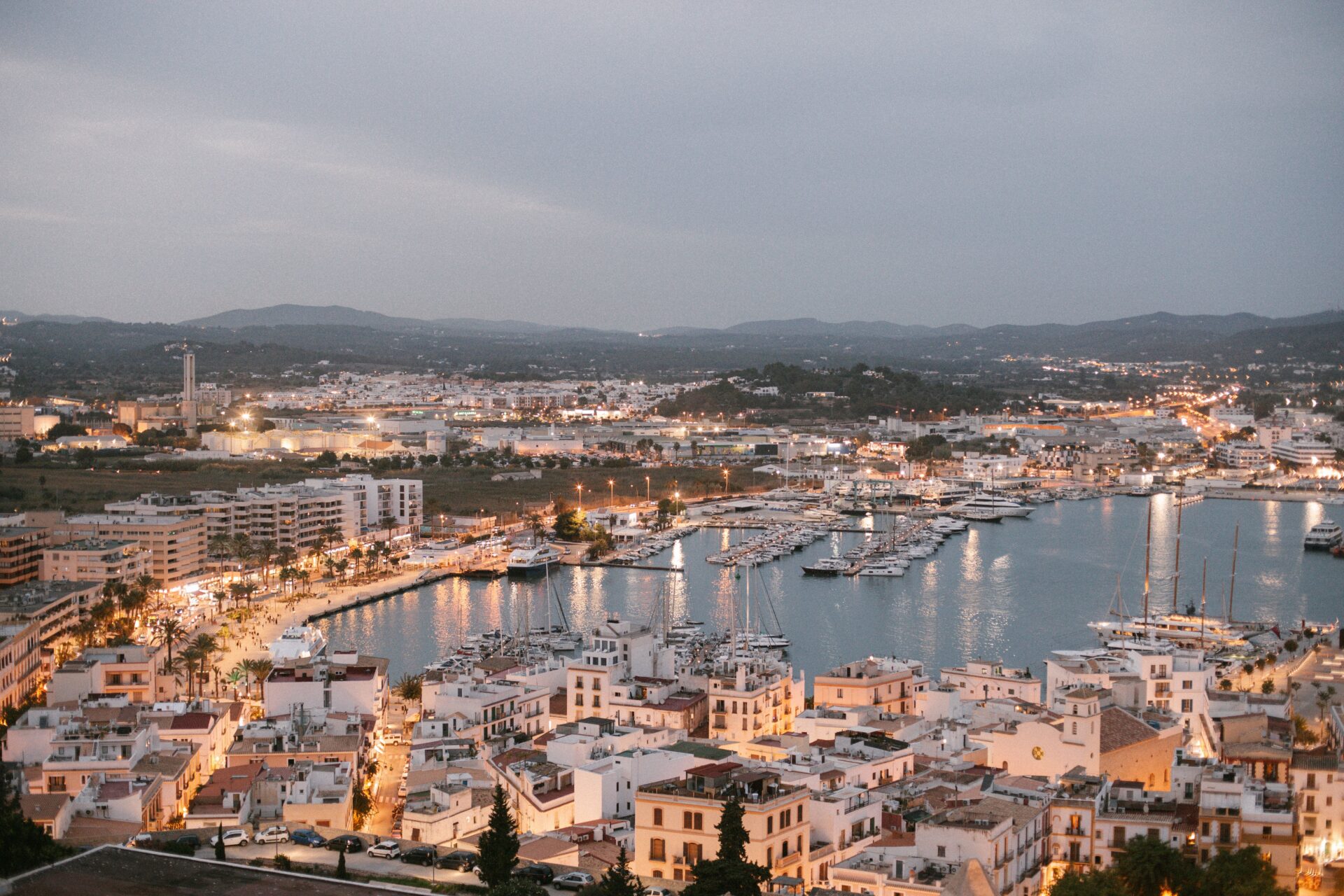
The climb to the top rewards effort with panoramic views. From the cathedral terrace, you can see Formentera on clear days, watch cruise ships arrive, and observe how the modern marina contrasts with the ancient town.
Several bastions are accessible and provide different perspectives. Baluard de Sant Bernat on the western side catches spectacular sunsets. The route from Portal de ses Taules up through Plaça de Vila to the cathedral follows the traditional path locals have used for centuries.
Landmarks worth visiting in the elevated quarters
Beyond the cathedral, seek out the Town Hall in Plaça de Vila, occupying a former Dominican convent. The archaeological museum sits near the cathedral, displaying Phoenician, Carthaginian, and Roman artifacts found on the island.
The contemporary art museum offers contrast, housed in a converted powder magazine. Simply wandering the upper streets reveals hidden corners, artist studios tucked into old buildings, and quiet squares where you can rest and absorb the atmosphere.
Exploring the Lower Town and La Marina
Waterfront atmosphere and narrow streets
La Marina, the lower district between the fortress walls and the harbor, has a completely different energy. The streets here buzz with activity, especially in the evening. While technically outside Dalt Vila proper, La Marina forms part of the World Heritage site and shares the historic character.
The maze of narrow lanes can be disorienting, which is part of the charm. You’ll stumble upon unexpected shops, hidden courtyards, and sudden views of the fortress looming above.
Shops cafés and cultural corners
La Marina is where most commercial activity concentrates. Boutiques selling bohemian fashion, handmade jewelry, and local crafts line the main thoroughfares. Cafés spill onto the streets, perfect for people-watching over morning coffee or evening drinks.
Art galleries showcase work by island-based artists, and you’ll find studios where craftspeople create leather goods, ceramics, and other traditional items. The mix leans touristy but retains enough local character to feel genuine.
Museums and Cultural Spaces
Archaeological and contemporary art museums
The Archaeological Museum holds treasures spanning 3,000 years of Ibiza’s history. Highlights include Phoenician glass, Carthaginian jewelry, Roman statuary, and Islamic ceramics.
The collection is surprisingly rich for a small island, reflecting Ibiza’s importance as a Mediterranean crossroads. The Contemporary Art Museum takes a different approach, focusing on modern and contemporary works with rotating exhibitions that often feature international artists alongside local talent.
Exhibits that reveal Ibiza’s layered past
Beyond the main museums, smaller exhibition spaces operate throughout the year. The Madina Yabisa interpretation center near Portal de ses Taules uses audiovisual presentations to explain the Muslim period.
Various cultural foundations maintain spaces for temporary exhibitions, often free to enter. Check locally for current offerings, as the cultural calendar shifts with seasons and special events.
Dining areas within the old town
Restaurants in Dalt Vila Ibiza range from casual tapas bars to upscale dining rooms with fortress views. Many occupy historic buildings with stone walls and vaulted ceilings creating atmospheric settings.
Prices tend higher than elsewhere in Ibiza Town, partly due to location, partly due to ambiance. Reservations help during peak season, especially for terrace tables at sunset.
Local dishes to try during your visit
Look for traditional Ibizan cuisine like bullit de peix, a fish stew served with rice, or sofrit pagès, a hearty meat and potato dish flavored with local herbs. Flaó, a cheesecake made with fresh cheese and mint, makes an excellent dessert and is particular to Ibiza.
Many restaurants also serve excellent paella and seafood, taking advantage of the island’s fishing traditions. Don’t skip the local wines, as Ibiza’s wine industry has revived impressively in recent years.
Best Times to Explore
Daytime vs evening atmosphere
Morning visits offer cooler temperatures and softer light, ideal for photography and detailed exploration. The town feels quieter before tourist groups arrive around mid-morning. Afternoons can be hot and crowded during summer. Evening transforms the atmosphere completely.
As temperatures drop, locals emerge, restaurants fill, and the illuminated walls create dramatic scenes. Sunset from the ramparts or cathedral square is a daily ritual worth experiencing.
Seasonal considerations for comfort
Summer brings heat, crowds, and long opening hours for all attractions. Spring and fall offer the best balance of pleasant weather and manageable visitor numbers.
Winter sees fewer tourists and some businesses close, but you’ll have the place largely to yourself and can appreciate the architecture without crowds. Rain is possible but rarely prolonged. Each season has merits depending on what you prioritize.
Tips for a Better Experience
Photography spots and quiet corners
For iconic shots, head to the bastions during golden hour. The main gateway photographed from below makes a classic composition. Inside, seek out the narrow stepped streets like Carrer Major for atmospheric detail shots.
Quiet corners exist even in high season if you venture into residential areas away from main routes. Early morning or late evening provide the best light and fewest people blocking your shots.
Respecting heritage and local culture
Remember that people live and work within these historic walls. Keep noise reasonable, especially in residential areas. Don’t climb on walls or monuments beyond designated areas. Photography is generally welcome but ask permission before shooting in shops or restaurants. Dress respectfully when entering churches.
Support local businesses when possible rather than international chains. The better visitors respect the town, the more likely it remains a living community rather than becoming a pure tourist attraction.
For more outdoor exploration, hiking tours around the island reveal hidden trails and viewpoints.
Conclusion
Dalt Vila stands as proof that Ibiza offers depth beyond its famous party reputation. Walking these ancient streets, touching walls that have stood for centuries, and watching sunset from Renaissance bastions connects you to layers of Mediterranean history.
Whether you spend an afternoon or several days exploring, Dalt Vila Ibiza rewards curiosity with discoveries around every corner, views that stretch to horizons, and a sense of place that lingers long after you leave.
Frequently Asked Questions (FAQs)
1. How long does it take to explore Dalt Vila?
A quick visit covering the main gate, cathedral, and basic rampart walk takes about 2 hours. A thorough exploration including museums, extended rampart walks, and time to absorb the atmosphere deserves 4 to 6 hours. Many visitors return multiple times to experience different times of day and discover new corners they missed initially.
2. Is Dalt Vila accessible for people with mobility issues?
The steep cobbled streets, stairs, and uneven surfaces make Dalt Vila challenging for wheelchairs and difficult for anyone with mobility limitations. The main gate and some lower areas are accessible, but reaching the cathedral and upper bastions requires climbing. Some rampart sections have been improved with railings and better surfaces, but significant barriers remain throughout the historic quarter.
3. Do I need to pay to enter Dalt Vila?
No, entering Dalt Vila and walking the streets is completely free. Museums charge admission, typically between 3 and 5 euros, with some offering combined tickets. The cathedral may request a small donation. Some special exhibitions or cultural events within the walls might have entry fees, but the historic quarter itself remains publicly accessible at all times.
4. Where should I park when visiting Dalt Vila?
Parking inside the walls is extremely limited and mostly reserved for residents. Public parking areas exist near the base of the fortress, particularly around the marina and along Avenida de España. These lots fill quickly in summer. Walking from Ibiza Town center takes about 10 minutes. Taxis and buses also service the area regularly, often easier than dealing with parking hassles.
5. Can I visit Dalt Vila at night?
Yes, and evening visits are highly recommended. The walls remain illuminated after dark, creating beautiful scenes. Streets and ramparts are publicly accessible 24 hours, though museums and churches close in the evening.
Many restaurants and bars operate late into the night. The atmosphere shifts from daytime sightseeing to romantic evening strolls and local social life, offering a completely different perspective on the historic quarter.