The Ibiza old town stands as proof that this island has depth, history, and a cultural heartbeat that’s been pulsing for over 2,500 years. There’s more to Ibiza than beach clubs and parties
Tucked between ancient stone walls and Mediterranean waters, this historic quarter offers something most visitors never expect: timeless streets where local life unfolds exactly as it has for centuries.
Overview of Ibiza Old Town
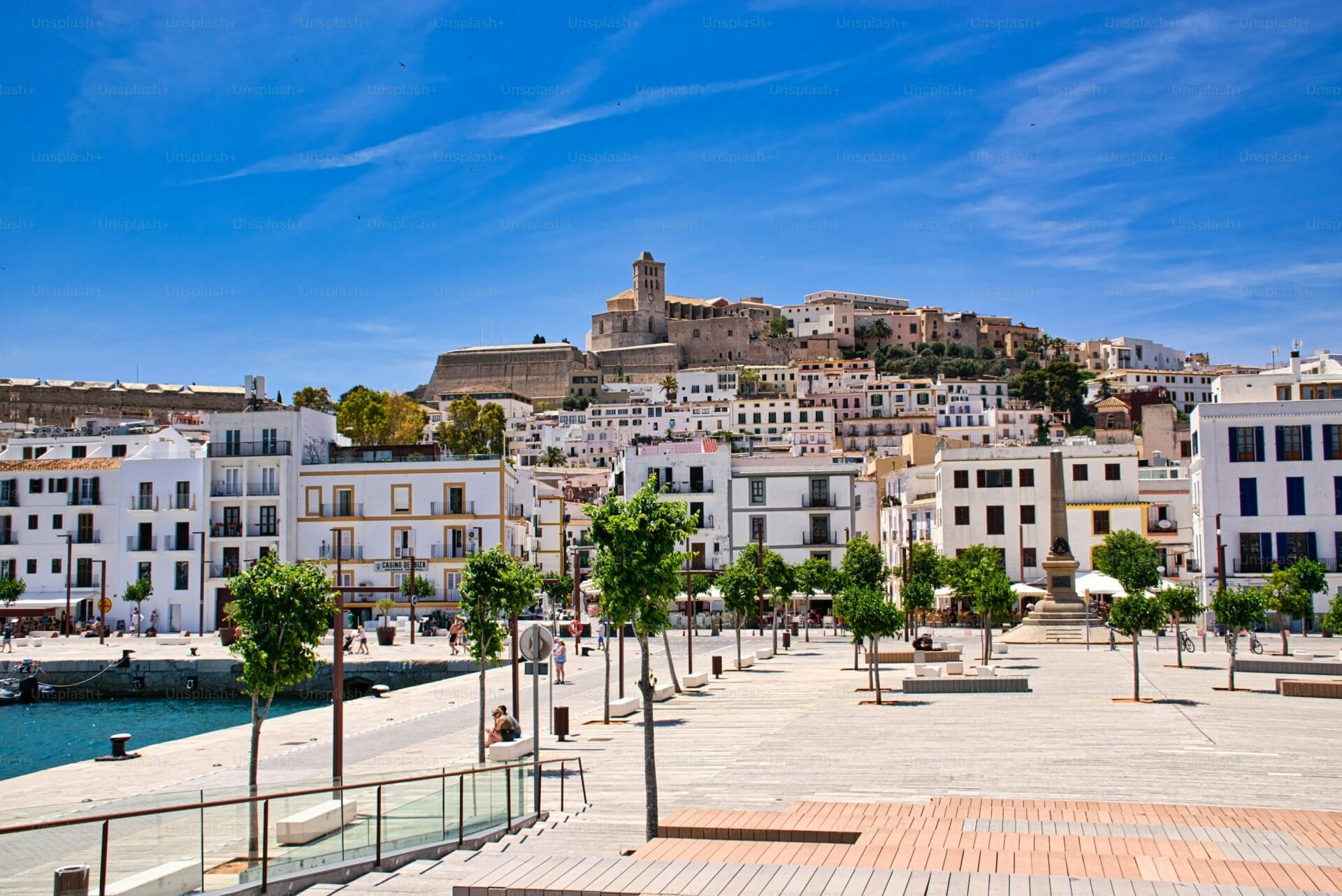
The old town splits into two distinct neighborhoods that complement each other perfectly. Dalt Vila rises dramatically on the hilltop, enclosed by Renaissance walls, while La Marina spreads along the waterfront below.
Together, they form the historic core of Ibiza Town, where cobblestone lanes twist past whitewashed houses, and every corner seems to hold a story.
UNESCO heritage and cultural significance
Since 1999, the Ibiza old town has held UNESCO World Heritage status, recognized for its well-preserved fortifications and unique position as a Mediterranean crossroads. This isn’t just a ceremonial title.
It means the entire area receives protection and careful management to maintain its authentic character. Walk through these streets, and you’re experiencing layers of civilizations that chose this exact spot as strategically important for trade, defense, and settlement.
Distinct character of Dalt Vila and La Marina
Dalt Vila translates to “upper town,” and the name fits. Steep stone steps lead through massive gates into quieter residential streets where locals still hang laundry from wrought-iron balconies.
The atmosphere feels contemplative, almost meditative. Down at La Marina, energy shifts. The waterfront hums with restaurants, boutiques, and that unmistakable harbor vibe where fishing boats dock alongside modern yachts.
Historical Foundations
Phoenician and Roman origins
Phoenician traders founded Ibosim around 654 BC, making the Ibiza old town one of the Mediterranean’s oldest continuously inhabited sites. They came for salt and strategic position, establishing trade routes that would shape the island’s future. Romans followed, leaving their mark through infrastructure and expanding the settlement.
Archaeological digs still uncover remnants of these early periods, including a necropolis with thousands of tombs that paint a picture of ancient life.
Medieval fortifications and maritime influence
The walls you see today took shape in the 16th century when King Philip II ordered new fortifications to defend against pirate raids and Ottoman expansion.
Italian military engineers designed a star-shaped defensive system that’s now considered one of Europe’s best-preserved Renaissance fortifications. These weren’t decorative, they were essential. The Mediterranean was dangerous, and coastal towns needed serious protection.
Architectural legacy shaped by multiple civilizations
Arabs ruled Ibiza for roughly 500 years, leaving influences visible in courtyard layouts, narrow streets designed to provide shade, and irrigation techniques. Christian reconquest in 1235 brought Gothic and Catalan elements.
Later centuries added baroque churches and neoclassical civic buildings. Walking through the Ibiza old town becomes a visual timeline where different eras exist side by side.
Exploring Dalt Vila
Key landmarks in Ibiza old town
Start at Portal de ses Taules, the main gate crowned by a Habsburg coat of arms and Roman statues. Inside, the Cathedral of Our Lady of the Snows sits at the highest point, combining Gothic and baroque styles.
The castle complex includes the archaeological museum, displaying Phoenician, Carthaginian, and Roman artifacts. Don’t miss the church of Santo Domingo, a simple whitewashed beauty that contrasts with the cathedral’s grandeur.
Walking routes through the upper and lower quarters
The smartest approach is entering through Portal de ses Taules and winding upward, taking breaks at small plazas. A complete loop of the upper walls takes about two hours at a comfortable pace.
Inside, streets like Carrer Major and Carrer de sa Carrossa connect major sites. The lower quarter around Plaça de Vila bustles with more commercial activity. Comfortable shoes aren’t optional here, they’re essential.
Scenic viewpoints and photo spots
Several bastions along the walls offer panoramic views. Baluard de Sant Pere looks out over the port and new town. Baluard de Santa Llúcia faces the sea. For sunset, head to the western walls where light bathes the old stones in gold. The terraces along Plaça del Sol provide elevated perspectives of the lower town and harbor.
Cultural Life and Local Traditions
Museums and artistic spaces
The Museo Arqueológico inside the castle covers 3,000 years of history through well-curated exhibits. Smaller galleries dot the streets, showcasing contemporary art alongside traditional crafts.
The Museu d’Art Contemporani occupies an 18th-century building and rotates exhibitions by local and international artists. Many spaces keep irregular hours, so flexibility helps when planning visits.
Festivals and seasonal events
Medieval Ibiza festival in May transforms the Ibiza old town into a living history experience with markets, performances, and period costumes. The patron saint festival in August brings processions, traditional dancing, and street celebrations. Summer evenings often feature classical concerts in historic churches, using acoustics these spaces were designed for.
Everyday rhythms of local residents
Real people live here, raising families and running businesses their grandparents started. Morning sees locals shopping at small grocers and bakeries. Mid-afternoon brings quiet as businesses close for siesta.
Evenings revive with residents gathering at corner bars for drinks and conversation. This isn’t a museum, it’s a functioning neighborhood that welcomes visitors who respect its living nature.
La Marina and the Old Port
Waterfront atmosphere and historic streets
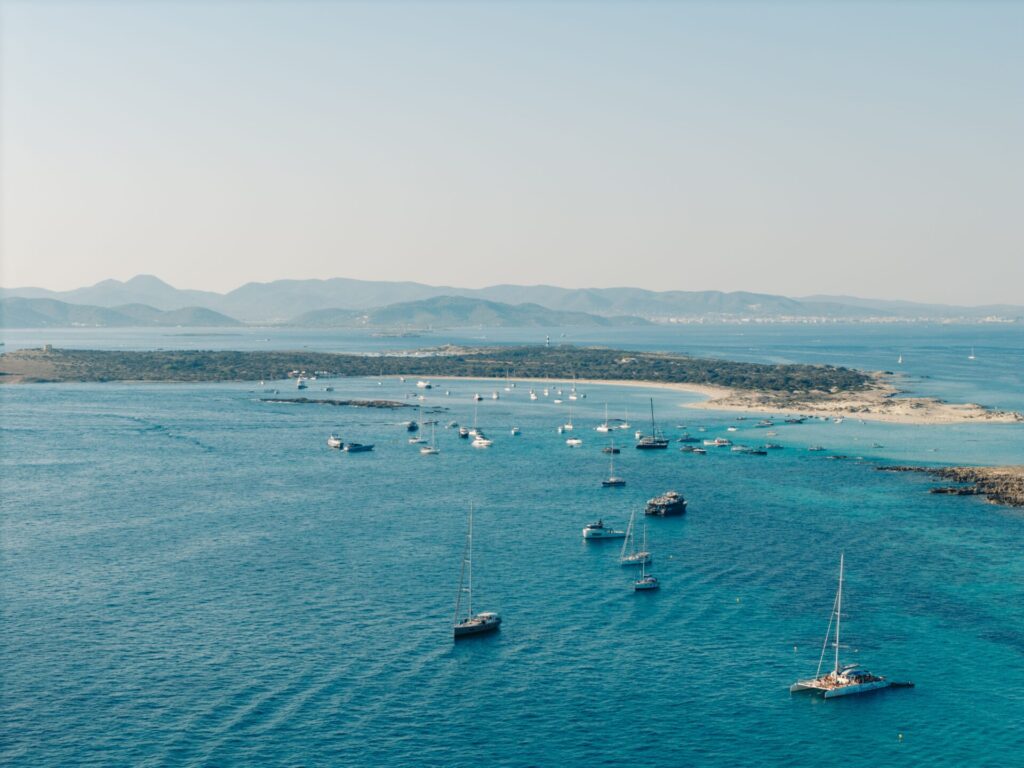
La Marina stretches along the harbor, where fishing traditions meet modern tourism. The neighborhood retains working-class roots despite upscale development. Many visitors explore the waterfront by boat charter to see the old port from the water.
Streets like Carrer de la Verge run perpendicular to the water, lined with two and three-story buildings painted in weathered pastels. The morning fish market near the port still operates, though on a smaller scale than decades past.
Dining and shopping highlights
Restaurants range from casual tapas spots to refined dining rooms serving contemporary Mediterranean cuisine. Local boutiques sell everything from handmade espadrilles to designer clothing. The mercadillo, a hippie market running since the 1970s, sets up seasonally with jewelry, textiles, and crafts. Quality varies, but patient browsing uncovers genuine finds.
Practical Guide for Visitors
Getting to Ibiza old town
From the airport, taxis take about 15 minutes and cost around €20-25. Bus line 10 provides cheaper access but involves more time. If staying elsewhere on the island, Ibiza Town’s bus station sits a 10-minute walk from the old port. Parking near the historic center is limited and expensive, making public transport or walking the smarter choice.
Best times to explore
May, June, September, and October offer ideal conditions with fewer crowds and moderate temperatures.
July and August bring heat and peak tourism, making early morning or late afternoon preferable.
Winter (November through March) sees many businesses close, but also provides the most authentic experience with local life undiluted by visitors.
Accessibility and walking considerations
Dalt Vila’s steep cobblestone streets and stairs present challenges for wheelchairs and strollers. A wheelchair-accessible route exists but requires planning. Elderly visitors or those with mobility issues should focus on La Marina and the lower sections.
The old town isn’t designed for modern accessibility standards, which is part of its historic character but something to consider.
Food and Drink
Local cuisine and signature dishes
Ibizan cuisine centers on seafood, rustic preparations, and Arab-influenced flavors. Bullit de peix (fish stew) and arroz a banda (rice cooked in fish stock) represent traditional cooking. Sofrit pagès combines various meats with potatoes in a hearty stew. Flaó, a mint-flavored cheesecake, provides a distinctive dessert.
Many restaurants in the Ibiza old town serve these classics alongside modern interpretations. For an intimate dining experience in your villa, consider a private chef service.
Notable dining areas within the old town
Plaça de Vila and surrounding streets hold numerous options from casual to upscale. La Marina’s waterfront terraces provide atmospheric dining with harbor views.
Inside Dalt Vila, small restaurants tucked into converted houses offer intimate settings. Locals recommend checking weekly menus (menú del día) for value and authentic preparations.
Night Experience
Evening ambience in the old port
As sun sets, the port area transforms. Outdoor tables fill with diners while boats rock gently in their slips. The pace remains relaxed compared to party districts. Street performers occasionally appear near the promenade. It’s social rather than wild, with conversations flowing and a genuine sense of Mediterranean evening culture.
Cultural nightlife beyond clubs
Live music venues host jazz, flamenco, and acoustic performances. Theater productions run at small venues during summer. Some galleries open late for exhibition openings. Wine bars and cocktail lounges provide sophisticated options without the club scene intensity Ibiza’s famous for elsewhere.
This is where visitors discover the island’s quieter, more cultured side. While beach clubs dominate other parts of the island, the old town offers refined alternatives.
Tips for a Better Visit
What to wear and bring
Comfortable walking shoes with good grip handle cobblestones and stairs safely. Layers work year-round as evenings cool down. Sunscreen and a hat protect during summer exploration.
A small backpack carries water and essentials without appearing touristy. Dress codes remain casual, though nicer restaurants appreciate slightly elevated attire. After exploring steep cobblestones, you can book a relaxing massage to recover.