Ibiza Town is one of those places that genuinely surprises people. Most visitors come to the island expecting beach bars and nightlife, and while that side of Ibiza is very real, the capital tells a completely different story.
Beneath the summer crowds and the party reputation sits a city with thousands of years of history, a UNESCO-listed old quarter, world-class food, and an atmosphere no other part of the island can match.
If you have been wondering whether Ibiza Town is worth your time beyond a quick stroll, the answer is yes. Here is everything you need to know before you go.
What Ibiza Town Actually Is
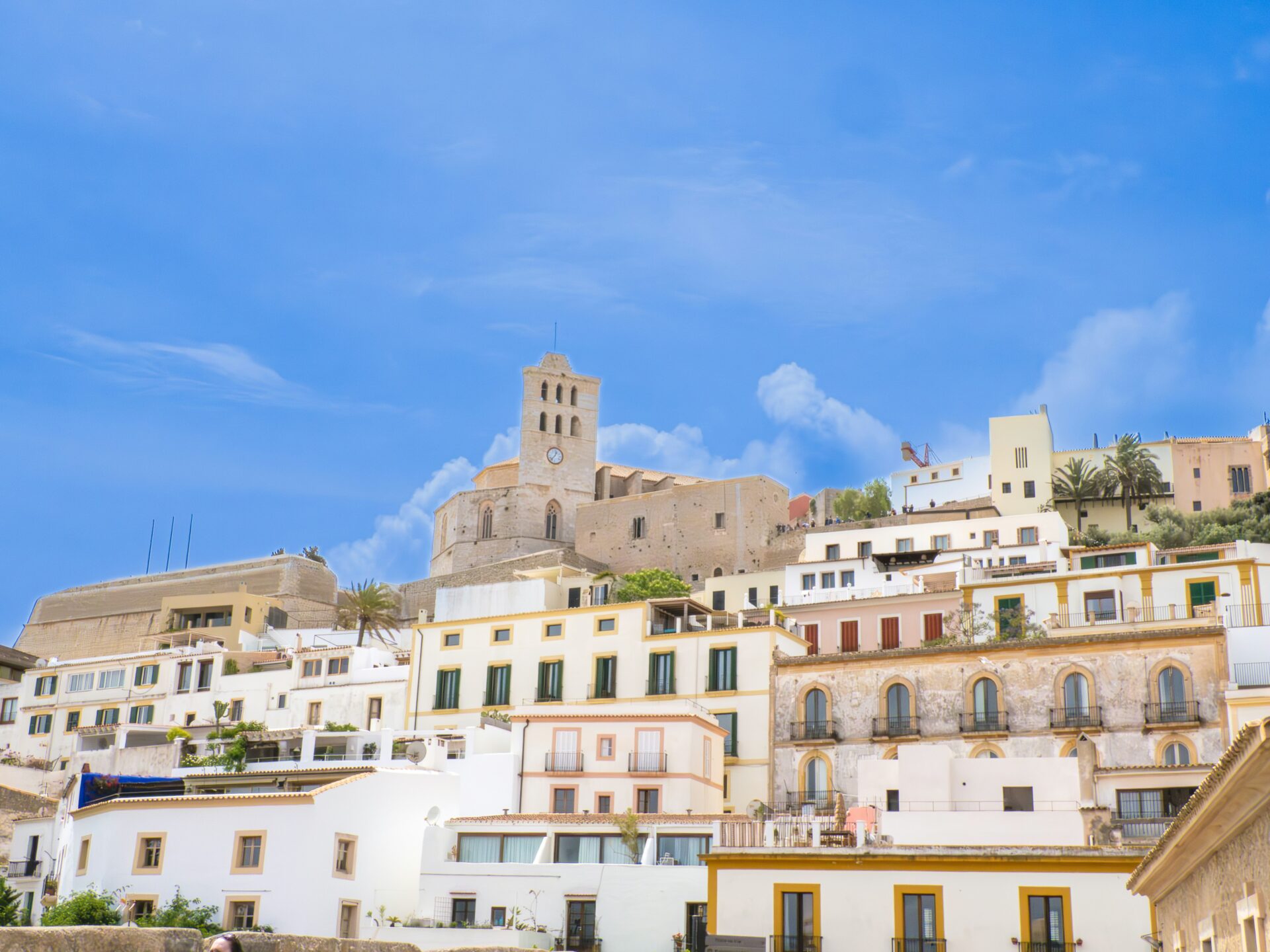
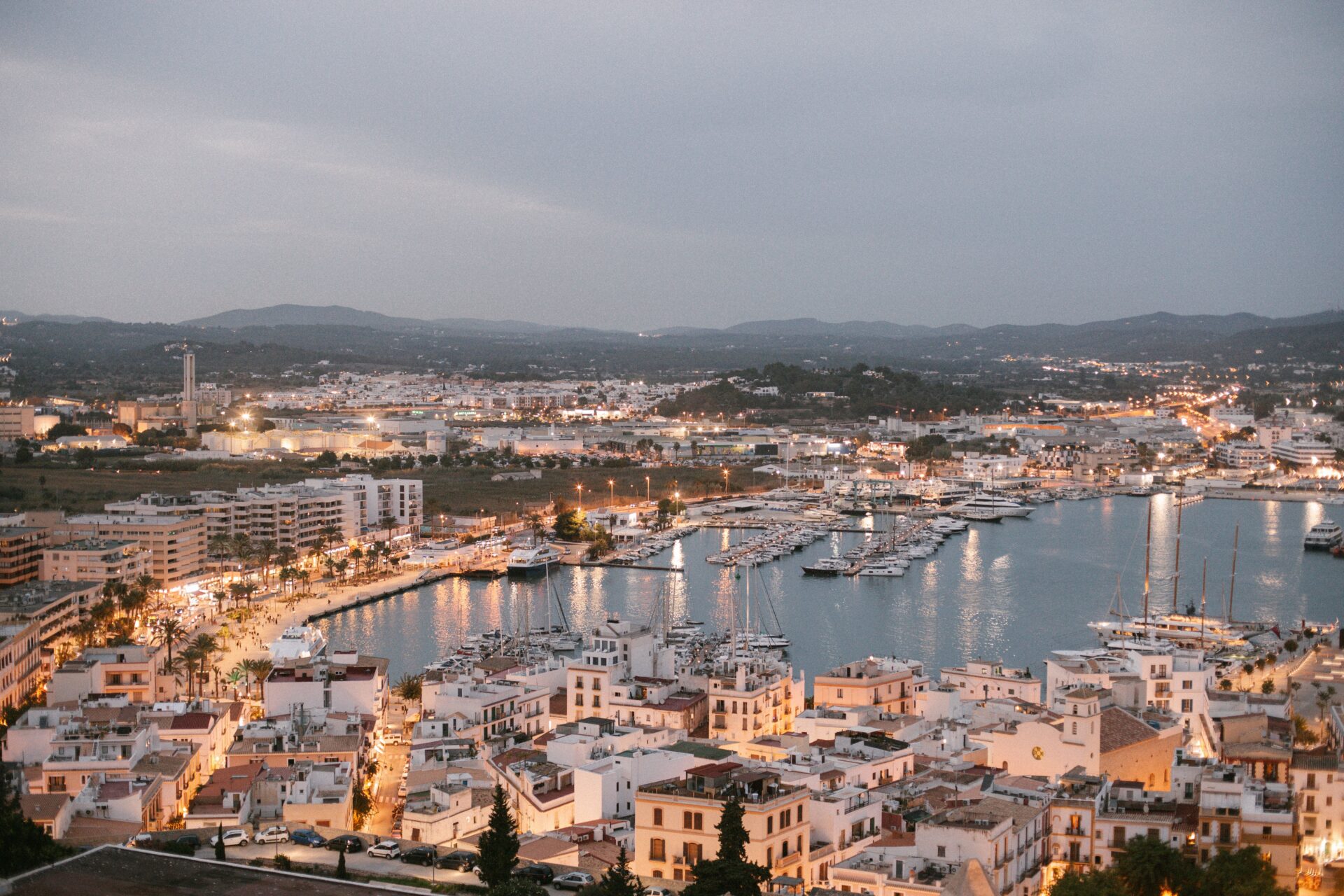
Ibiza Town, known locally as Eivissa, is the capital of the island. It sits on the southeastern coast and serves as the island’s main hub for culture, dining, nightlife, and history. The harbour is one of the most recognisable in the Mediterranean, framed by whitewashed buildings and overlooked by a fortified old quarter above.
What sets Ibiza Town apart is the sheer density of things to see within a compact area. You can walk from a 16th-century fortress to a waterfront market stall in under ten minutes. That contrast, old and new, historic and lively, is what gives the city its character.
At its centre sits Dalt Vila, the fortified upper town that crowns the hill above the harbour. It is the oldest and most architecturally significant part of the city, and where most of the history is concentrated.
A Brief History of Ibiza Town
Phoenician Origins and Over 2,500 Years of Civilization
Ibiza Town was founded by the Phoenicians around 654 BC. That makes it one of the oldest continuously inhabited cities in Europe. The Phoenicians established the settlement, then known as Ibosim, as a strategic trading post in the western Mediterranean.
Over the following centuries, the city passed through the hands of the Carthaginians, the Romans, the Moors, and eventually the Catalans. Each culture left something behind.
The Moorish period shaped the city’s urban structure, while Catalan and Spanish rule brought the Renaissance fortifications that still define the skyline.
That layering of civilisations is visible everywhere in Dalt Vila, from Arabic street names to a Gothic cathedral built on the site of a mosque.
UNESCO World Heritage Recognition
In 1999, UNESCO designated four sites across the island as World Heritage areas. The list includes:
- The Dalt Vila acropolis and the historic centre of Ibiza Town
- The Phoenician-Punic Necropolis of Puig des Molins
- The early Phoenician settlement of Sa Caleta
- The Posidonia seagrass meadows surrounding the island
The designation acknowledged the exceptional preservation of the city’s fortifications. It placed Ibiza Town among the most historically significant urban centres in the world.
The Must-See Landmarks Inside Ibiza Town
Dalt Vila and Its Renaissance Walls
Dalt Vila is the undisputed highlight of Ibiza Town. The entire fortified upper town is enclosed by Renaissance walls commissioned under Charles V in the 16th century. They were built to defend the island from Ottoman raids and remain remarkably intact today.
The main entrance is through the Portal de ses Taules, a grand gateway decorated with carved stone figures and flanked by two Roman statues. The cobblestone streets beyond wind steeply uphill, lined with whitewashed buildings draped in bougainvillaea.
Catedral d’Eivissa and Castell d’Eivissa
At the highest point of Dalt Vila stands the Catedral d’Eivissa. It is a pale stone Gothic cathedral built on the site of the city’s Moorish-era mosque. The views from the cathedral square stretch across the harbour, the rooftops of the old town, and on a clear day, all the way to Formentera.
Adjacent are the ruins of Castell d’Eivissa, a collection of restored Moorish and Catalan structures. The castle complex is currently being developed into a Parador hotel, drawing attention from those following the island’s heritage developments.
Museums Worth Your Time
Three museums stand out for anyone interested in the city’s history:
- Archaeological Museum of Ibiza. Covers the Phoenician, Punic, Roman, and Moorish periods through pottery, ceramics, jewellery, and carved figures.
- Centre d’Interpretació Madina Yabisa. Focuses on Ibiza Town’s eight centuries under Islamic rule, with audiovisual displays and physical artefacts.
- Necropolis of Puig des Molins. One of the largest ancient cemeteries of its kind, with over 3,000 tombs. The adjoining museum displays the famous bust of the goddess Tanit.
Beyond the Walls: What Ibiza Town Offers Outside Dalt Vila
La Marina and the Harbour District
Once you pass back through the Portal de ses Taules, the city opens up into La Marina. This pastel-coloured waterfront neighbourhood is full of narrow streets, open squares, and a mix of local vendors and boutiques.
At its heart sits the Mercat Vell, a neoclassical market where vendors sell local olive oils, salts, cheeses, cured meats, and seasonal produce. Nearby, the Plaça de la Constitució draws a steady crowd of locals and visitors throughout the day.
Food, Dining, and Local Flavour
The food scene in Ibiza Town is rooted in traditional Mediterranean cooking, with influences from across the region. Look out for these local staples:
- Fresh seafood sourced from local waters
- Ibizan lamb and locally raised meats
- Sobrasada, a smoky cured sausage
- Ensaimadas, a soft, flaky local pastry
Dining options run the full range. The boulevard of Passeig de Vara de Rey has casual tapas bars and sit-down restaurants. Inside Dalt Vila, the cobblestone lanes hide some of the city’s most atmospheric spots, where the setting is as much of the draw as the food. Guests staying in a villa can also arrange a private chef for in-villa dining.
Practical Tips for Visiting Ibiza Town
Getting There and Getting Around
Getting to Ibiza Town is straightforward:
- By air. Ibiza Airport is roughly 6 km southwest of the city centre. Taxis and buses connect the two quickly.
- By sea. Ferries from mainland Spain arrive directly into the city’s harbour.
- By car. Parking inside Dalt Vila is not possible. Use the public car parks near the port and explore the old town on foot.
- By e-bike. Exploring the outskirts and coastal roads is well suited to an e-bike tour.
Comfortable footwear is essential. The cobblestone streets inside Dalt Vila are steep, and a proper visit takes time on your feet.
Best Time to Visit
Ibiza Town has something to offer year-round, with over 300 days of sunshine annually. Timing still makes a difference:
- Summer brings the most energy. The harbour is full, restaurants are buzzing, and the medieval festival in May marks the UNESCO anniversary with events across the old town.
- Shoulder season (late spring and early autumn) offers a quieter, more local experience. The city is fully open, the weather is excellent, and the crowds are manageable.
Staying Near Ibiza Town in a Luxury Villa
Staying inside the historic centre comes with real compromises. The streets are narrow, parking is difficult, and summer nights in the city are rarely quiet.
The better approach is to base yourself in a private villa near Ibiza Town and visit on your own terms. Ibiza Selected offers a curated collection of villas in and around the area, from smaller properties suited to couples to larger estates with sea views and full amenities.
A villa base gives you the privacy and comfort the city centre cannot offer, while keeping Dalt Vila, the harbour, and La Marina within easy reach. Quiet evenings by a pool, and the full richness of Ibiza Town whenever you choose.
Conclusion
Ibiza Town is the cultural and historical soul of the island. The UNESCO-listed old quarter, over 2,500 years of layered history, a genuine food scene, and a harbour unlike anything else in the Mediterranean make it a destination worth exploring properly.
Whether you are drawn by the Phoenician roots, the Renaissance fortifications, the local markets, or simply the atmosphere of a city lived in for millennia, Ibiza Town delivers.
Explore Ibiza Selected’s villa listings near Ibiza Town and find a base that puts all of this within reach.
Frequently Asked Questions (FAQs)
1. What is Ibiza Town known for?
Its UNESCO-listed old quarter, ancient Phoenician history, vibrant harbour district, and Mediterranean dining scene. It is the cultural and historical capital of the island.
2. Is Ibiza Town worth visiting beyond the nightlife?
Yes. The historic centre, museums, harbour district, and local markets offer far more than most visitors expect.
3. How do you get to Ibiza Town?
Ibiza Airport is about 6 km from the centre. Taxis and buses connect the two easily. Ferries from mainland Spain arrive directly into the harbour.
4. Is Dalt Vila the same as Ibiza Town?
No. Dalt Vila is the fortified old quarter within Ibiza Town. The broader city also includes La Marina, the harbour area, and the modern districts.
5. Where is the best place to stay near Ibiza Town?
A private villa near the city offers the best balance of comfort and access. Ibiza Selected has a range of luxury villas in the Ibiza Town area to suit different group sizes and preferences.