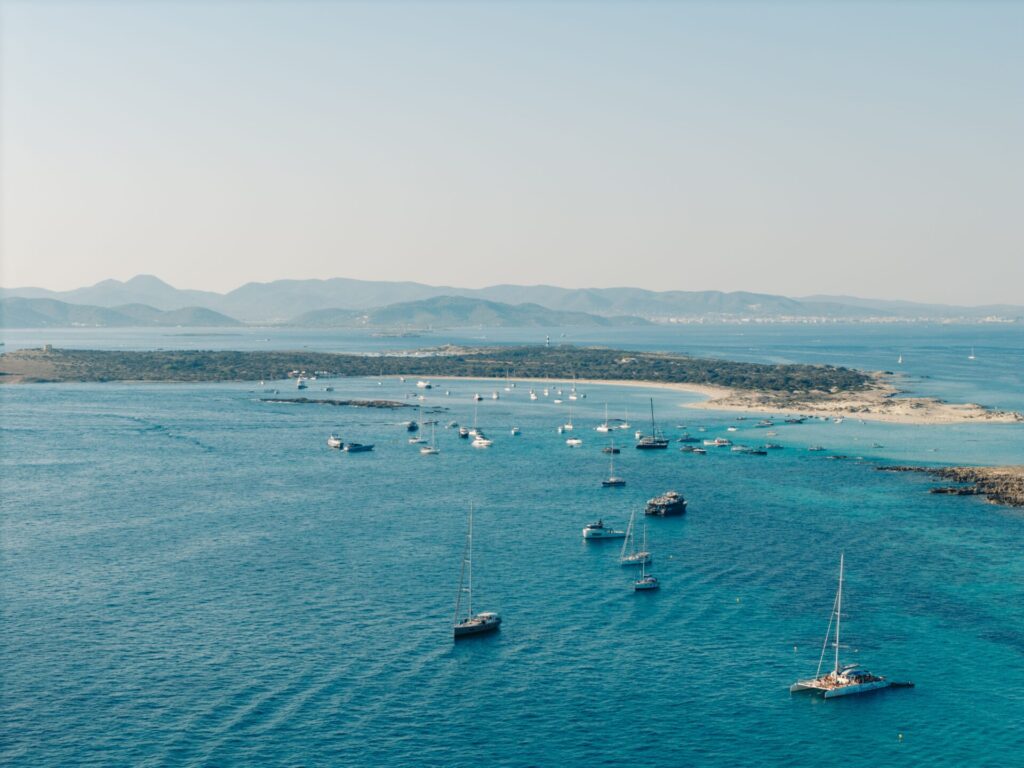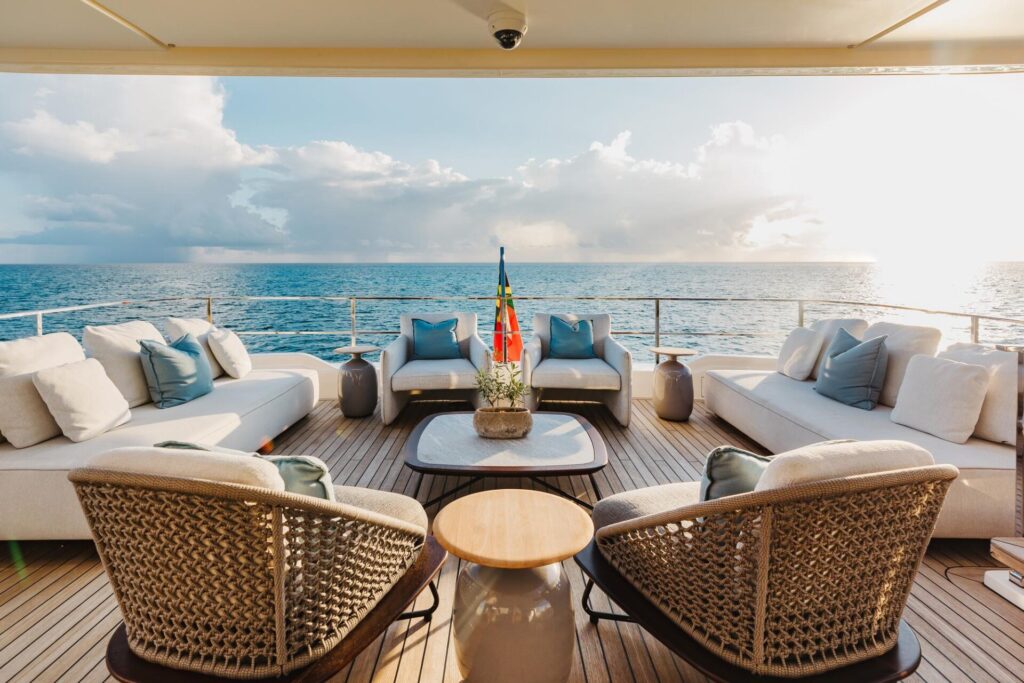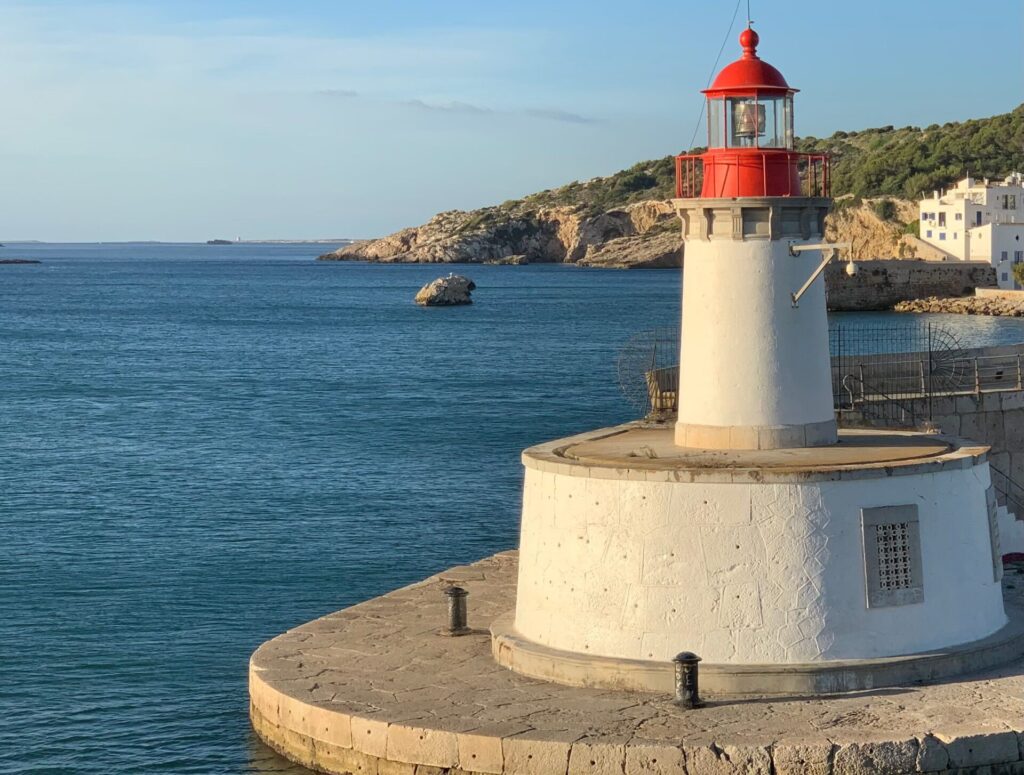
Planning a holiday to Ibiza means preparing for much more than the island’s reputation suggests. Beyond the famous club scene, you’ll discover crystalline waters and hidden coves, UNESCO-protected heritage sites, and a laid-back Mediterranean atmosphere that draws visitors back year after year.
Overview of Ibiza as a Destination
Ibiza sits 150 kilometers off Spain’s eastern coast. The island spans 572 square kilometers with distinct zones:
Northern Coast: Dramatic cliffs and hidden coves
Southern Beaches: Gentle sandy shores and resort areas
Inland Areas: Pine-covered hills and whitewashed villages
The island balances different experiences perfectly. Families find calm bays. Culture enthusiasts explore ancient fortifications. Nature lovers hike coastal trails. Party seekers enjoy world-class nightlife.
The compact size works in your favor. Drive from one end to the other in under an hour. Everything feels accessible from any base.
Choosing the Best Time to Visit
Seasonal atmosphere and weather patterns
Ibiza’s climate follows typical Mediterranean patterns. Expect hot, dry summers and mild winters.
Peak Summer (July-August):
- Temperatures around 30°C
- Guaranteed sunshine
- Sea temperature: 25°C
- Biggest crowds and highest prices
Shoulder Season (May, June, September, October):
- Temperatures: 22-28°C
- Perfect beach weather without intense heat
- Pleasant water through October
- Fewer tourists and better accommodation value
- Many consider this the sweet spot
Winter (November-March):
- Cooler temperatures: 15-20°C
- Too chilly for beach lounging
- Ideal for hiking and cycling
- Perfect for exploring cultural sites
- Some beach clubs and restaurants close
- Peaceful island charm remains
Matching travel goals with the right month
Your ideal timing depends entirely on what you’re after.
For Nightlife and Beach Clubs:
- Visit June through September
- Major venues operate at full capacity
- Expect premium prices
- Book accommodations early
For Nature, Food, and Culture:
- Late April through early June
- Mid-September through October
- Pleasant weather for outdoor activities
- Accessible hiking trails
- Local restaurants at their best
- Genuinely relaxing beaches
For Family Holidays:
- Late May or early September preferred
- Schools are out
- Tourist numbers remain manageable
- Warm sea temperatures
- Activities widely available
- Fewer crowds at beaches
Where to Stay
Overview of key regions
South (Playa d’en Bossa, San Antonio): Busiest resorts, proximity to clubs, lively beaches
East Coast (Santa Eulària, Cala Llonga): Relaxed atmosphere, family-friendly, excellent restaurants
North (San Miguel, Portinatx): Quieter villages, dramatic cliffs, secluded coves
Ibiza Town (Eivissa): Central location, cultural attractions, dining, proximity to beaches
Selecting the right area for your holiday to Ibiza
Match your accommodation to your priorities.
For Nightlife Focus:
- Stay in San Antonio or near Playa d’en Bossa
- Save on taxi costs
- Easy return to base between venues
For Beach Lovers:
- Look toward east or northeast
- Better sand quality than southern spots
- Clearer water
- Santa Eulària offers good infrastructure
- Maintains calmer atmosphere
For Authentic Island Life:
- Consider rural areas inland
- Northern coast villages
- Rental car needed
- Experience authentic Ibiza culture
- Lower prices
- More local interaction
Beaches and Coastal Highlights
Popular beaches and quieter coves
Ibiza’s coastline stretches over 200 kilometers with 50+ beaches.
Famous Beaches:
Ses Salines and Cala Comte deliver stunning turquoise water and fine sand. Crowded in summer. Arrive early.
Cala Comte offers incredible sunset views. Water shifts from deep blue to pale green.
Quieter Options:
Aigües Blanques (east coast) rewards effort with peaceful atmosphere.
Cala d’Hort provides dramatic Es Vedrà views. Pebbly beach but spectacular scenery.
Tips for accessing remote coastal spots
Many of Ibiza’s best coves hide down unmarked dirt roads. Others require short hikes.
Essential Tips:
- Rent a car for freedom to explore hidden spots
- Download offline maps before heading out
- Phone signal can be spotty in remote areas
What to Bring:
- Water and snacks
- Sunscreen
- Umbrella for shade
- Appropriate footwear (not flip-flops)
- Water shoes for pebbles or sea urchins
Before You Go:
- Check access restrictions
- Some beaches on private land
- Protected areas may have limited parking
- Research to avoid disappointment or fines
Exploring Ibiza Town and Dalt Vila
Cultural landmarks and historic routes
Dalt Vila earned UNESCO World Heritage status. 16th-century walls still encircle the upper town. Walking through the gates feels like stepping back centuries.
Key Highlights:
- Narrow cobbled streets wind to cathedral at summit
- Views across harbor to Formentera
- Archaeological Museum houses artifacts from Phoenician through Islamic periods
- Marina Botafoc contrasts ancient stones with modern yachts and restaurants
Dining and shopping in the old town
Restaurants:
- Range from traditional tapas spots to upscale Mediterranean cuisine
- Narrow streets hide genuine gems
- Locals eat alongside tourists at the best places
- Look for Spanish menus and reasonable prices
- Signs they’re not purely tourist traps
Shopping:
- Local artisan crafts
- Bohemian fashion boutiques
- Handmade jewelry
- Leather goods
- Flowing white clothing perfect for island lifestyle
Thursday Evening Market (Summer):
- Street market in Dalt Vila
- Stalls selling crafts, clothing, food
- Busy but pleasant atmosphere
Activities and Experiences
https://www.pexels.com/photo/person-jumping-of-a-cliff-10709947/
Boat trips and coastal excursions
Seeing Ibiza from the water reveals new perspectives. Various boat trips depart daily.
Options:
- Formentera day trips (arguably better beaches, includes lunch)
- Sunset cruises (stops at Cala Comte or western cliffs)
- Kayaking and paddleboarding (explore caves and hidden coves)
Nature walks and scenic viewpoints
Ibiza’s interior offers excellent hiking, especially in cooler months.
Popular Routes:
- Northern hills: Trails through pine forests
- Es Vedrà viewpoint: Walk from Cala d’Hort for spectacular vistas
- Coastal paths: Cala Llonga to Santa Eulària stretch recommended
- Las Salinas Natural Park: Salt flats, wetlands, bird watching
Nightlife and Evening Atmosphere
Beach clubs and sunset spots
Major Beach Clubs:
- Blue Marlin and Ushuaïa attract international DJs
- Entry fees and expensive drinks
- Production quality matches cost
- Operate late May to early October
Budget-Friendly Sunset:
- Café Mambo in San Antonio
- Rocks at Cala Comte
- Music and festive vibe, no hefty price tag
Cultural nightlife beyond the party scene
Alternatives to Clubs:
- Ibiza Town harbor: Waterfront strolling, outdoor dining, relaxed bars
- Local festivals: Live music, traditional dancing, community atmosphere
- Hippy markets (Las Dalias, Punta Arabí): Evening events with music and food stalls
Responsible and Respectful Travel
Supporting local culture and environment
Minimize your impact with simple choices:
Environmental Actions:
- Use reef-safe sunscreen
- Avoid single-use plastics
- Respect protected areas and marked paths
- Conserve water (take quick showers, reuse towels)
Support Local Economy:
- Eat at family-run restaurants
- Buy from local markets and artisan shops
- Use locally-owned accommodation
Tips for mindful tourism
Key Practices:
- Keep noise down in residential areas
- Take all trash from beaches
- Park only in designated areas
- Learn basic Spanish or Catalan phrases
Conclusion
Why Ibiza remains a timeless Mediterranean escape comes down to one thing. The island’s remarkable ability to be many things at once.
The island welcomes diverse travelers. Party seekers and peace seekers. Culture enthusiasts and beach lovers. Luxury travelers and backpackers. All find their place here.
You might watch sunset from ancient fortress walls. Dance until dawn at a world-famous club. Discover a hidden cove accessible only by footpath. Each experience stays with you long after you leave.
The secret to a perfect holiday to Ibiza lies in understanding what you want. Time your visit right. Choose your location wisely. Balance famous spots with hidden gems. Approach the island with respect for its environment and culture.
Do that, and Ibiza will likely become a place you return to again and again. Each visit reveals new layers. Each stay deepens your connection to this extraordinary island.
Frequently Asked Questions (FAQs)
1. How many days do I need for a holiday to Ibiza?
A minimum of four to five days covers the main highlights. This allows time for beaches, Ibiza Town, Dalt Vila, nightlife, and a boat trip. For a more relaxed pace and quieter areas, plan for a week. The island’s compact size means you can see a lot quickly, but extra days let you truly absorb the atmosphere.
2. Do I need a car in Ibiza?
It depends on your plans. Staying in Ibiza Town, San Antonio, or Santa Eulària with focus on popular beaches means buses and taxis work fine. However, a rental car expands your options significantly. It provides access to remote beaches, countryside exploration, traditional villages, and flexible scheduling.
During peak summer, having a car means arriving at popular beaches early before crowds fill parking areas.
3. Is Ibiza only for young party people?
Not at all. While the club scene attracts younger nightlife enthusiasts, the island offers much more. Families find excellent beaches and child-friendly activities. Couples discover romantic restaurants and peaceful coves.
Culture enthusiasts explore historic sites and galleries. Older travelers appreciate natural beauty, hiking trails, and authentic villages. Choose the right area and timing. Outside peak summer, Ibiza reveals a quieter, traditional character appealing to all ages.
4. What should I pack for a trip to Ibiza?
Pack light, breathable clothing for hot weather (May to October). Include swimwear, sun protection (hat, sunglasses, high-SPF sunscreen), and comfortable walking shoes. For upscale restaurants or clubs, bring smarter outfits, though Ibiza maintains a relaxed dress code. Add a light jacket for cooler evenings.
Spring and fall visits need layers for temperature variation. Water shoes help at rocky beaches. Winter visits require warmer clothes as evenings get quite cool.
5. Can I visit Ibiza on a budget?
Yes, with smart planning. Visit during shoulder season (May, June, September, October) when accommodation costs drop. Stay in less touristy areas or choose apartments with kitchens for preparing meals. Many beaches are free. Natural attractions cost nothing. Local restaurants away from tourist hotspots offer good food at reasonable prices.
Skip famous beach clubs and major nightclubs. Enjoy sunset from free viewpoints. Bus transport is affordable. With careful choices, you can experience wonderful holiday to Ibiza without breaking the bank.